

Packing Hacks for Preserved Mushrooms on Backpacking Trips
By Lilya Odol on February 16, 2026
Packing Hacks for Preserved Mushrooms on Backpacking Trips
Imagine setting off on a multi-day backpacking adventure, your pack filled with essentials. Now, picture the satisfaction of enjoying a hot meal featuring preserved mushrooms, bursting with flavor and nutrients. With the right packing hacks, you can easily incorporate this delightful ingredient into your outdoor culinary repertoire. Let's dive into some clever strategies to pack preserved mushrooms efficiently and effectively for your next hike.
Key Takeaways
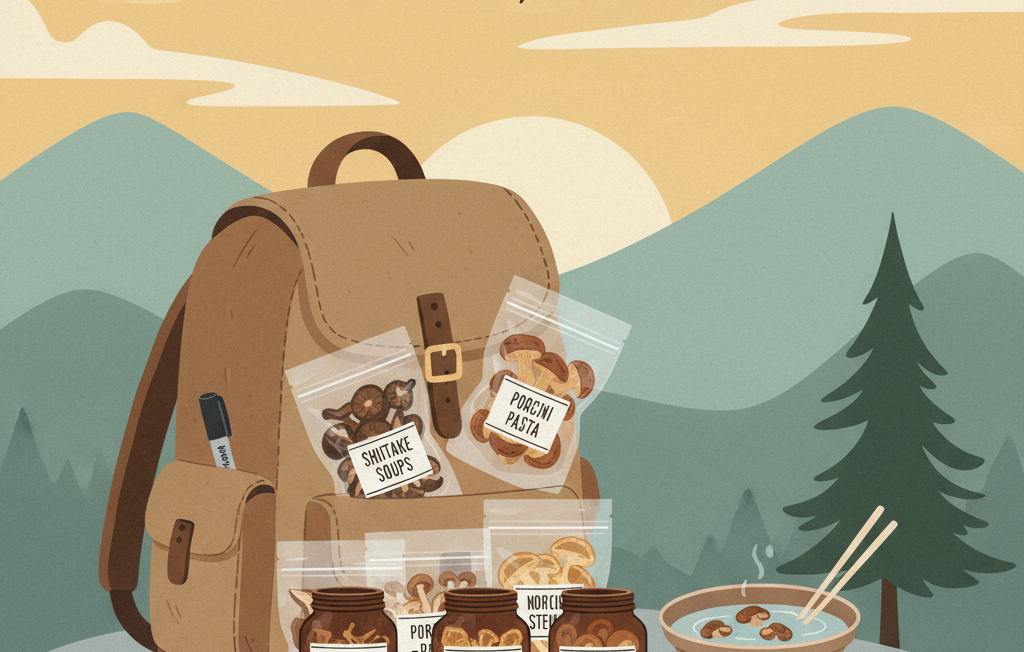
- Choose the Right Type: Opt for dehydrated or freeze-dried mushrooms for lightweight packing and long shelf life.
- Use Airtight Containers: Preserve freshness and prevent moisture damage by storing mushrooms in vacuum-sealed bags or airtight jars.
- Portion Control: Pre-portion mushrooms into single servings to minimize waste and make meal prep easier on the trail.
- Consider Multi-Use Ingredients: Pack mushrooms that can serve multiple purposes, like adding to soups, stews, or pasta dishes.
- Label Everything: Clearly label your containers to avoid confusion and ensure you use the right mushrooms for each meal.
- Pack Lightly: Minimize weight by selecting only the mushrooms you need for the trip, avoiding unnecessary bulk.
- Rehydrate Efficiently: Use a lightweight container for soaking dried mushrooms in water, allowing them to rehydrate while you set up camp.
Choosing the Right Type of Preserved Mushrooms
The type of preserved mushrooms you choose can significantly influence your backpacking experience. Dehydrated or freeze-dried mushrooms are ideal because they are lightweight, nutrient-dense, and have a long shelf life. Options like shiitake, porcini, or morels can elevate your meals, providing umami flavor without the added weight of fresh mushrooms.
Storing for Freshness
Once you've selected your mushrooms, the next step is ensuring they stay fresh during your journey. Airtight containers are essential. Consider vacuum-sealed bags or small, robust jars designed for travel. These containers not only protect against moisture but also prevent the mushrooms from crushing during transit. Proper storage can mean the difference between a delightful meal and a soggy, unappetizing mess.
Portion Control for Convenience
Pre-portioning is a game-changer when it comes to meal prep on the trail. By dividing your mushrooms into single servings, you make it easy to grab exactly what you need for each meal. This not only minimizes waste but also saves time when you're hungry and eager to eat. Use resealable bags or small containers to keep servings organized.
Multi-Use Ingredients
When packing for a backpacking trip, every ounce counts. Choose mushrooms that can serve multiple purposes. For instance, dried shiitake mushrooms can add flavor to soups, stews, and even rice dishes. The versatility of these mushrooms allows you to create varied meals without packing extra ingredients. Plus, they lend themselves well to rehydration, making them a convenient option for the trail.
Labeling for Easy Identification
Nothing is worse than rummaging through your pack trying to find the right ingredient. Labeling your containers can save you time and frustration. Use a permanent marker to note the type of mushroom and any specific instructions for preparation, such as soaking times. This small step can streamline your cooking process and ensure you get the most out of your preserved mushrooms.
Packing Lightly and Efficiently
Backpacking is all about striking a balance between carrying enough food and keeping your pack light. Before you leave, take a moment to assess how many mushrooms you truly need for your trip. Remember that preserving weight will enhance your experience on the trail. If you're planning a four-day trek, consider how many meals you'll be preparing and pack accordingly.
Efficient Rehydration Techniques
Rehydrating your mushrooms doesn't have to be a hassle. Use a lightweight, collapsible container to soak dried mushrooms in water while you set up camp. This method allows them to absorb moisture without taking valuable time away from other tasks. By the time you’re ready to cook, your mushrooms will be perfectly plump and ready to enhance your meal.
Conclusion
Packing preserved mushrooms for backpacking trips is an art that combines practicality with culinary enjoyment. By choosing the right types, storing them properly, and employing clever packing strategies, you can enjoy flavorful meals in the great outdoors. The next time you set out on an adventure, let these hacks elevate your trail cooking experience. Embrace the flavors of the forest and savor every bite, because good food can make any hike unforgettable.




MORE IN TRENDING
Nostalgic Comfort Packs: Inflation-Beating Travel Eats for Savvy Explorers
As travel demand surges post-pandemic and inflation soars, nostalgic comfort packs offer affordable, heartwarming meals like peanut butter sandwiches and homemade soups, helping travelers save money while evoking childhood memories and family warmth on the road.
Asaf Bar .
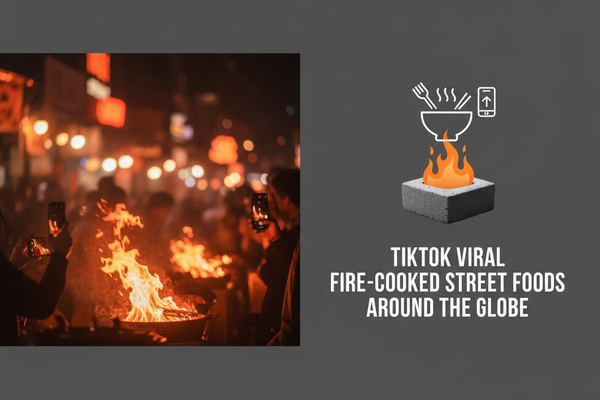
TikTok Viral Fire-Cooked Street Foods Around the Globe
TikTok has ignited a global fascination with fire-cooked street foods, from sizzling skewers in Asia to wood-fired pizzas in Italy, showcasing local flavors and cultural traditions through viral videos by influencers like Joe Vadakkedam.
Lilya Odol .
Umami-Boosted Trail Mix for Endurance Travel: Savory Snack Recipe
Elevate your endurance travel snacks with umami-boosted trail mix featuring nuts, seeds, roasted chickpeas, seaweed, nutritional yeast, and dried fruits for sustained energy and savory flavor.
Asaf Bar .
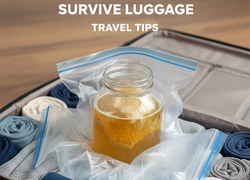
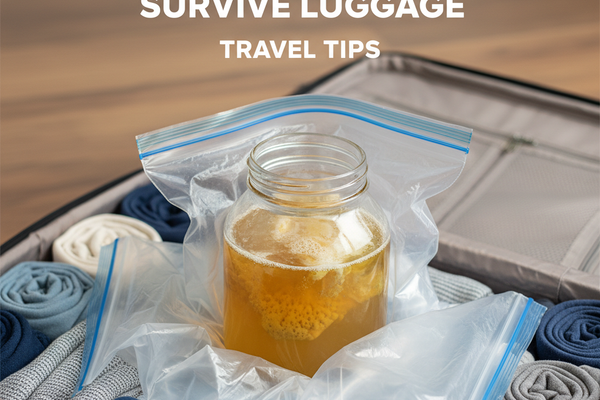
Fermentation Jars That Survive Luggage: Essential Travel Packing Tips
Traveling with homemade ferments like kombucha and kimchi requires careful packing to prevent breakage. Use inflated bags for cushioning, gallon zip-top bags to contain spills, position jars in the suitcase center surrounded by clothes, choose sturdy wide-mouth glass jars, avoid overfilling, and check airline liquid regulations for safe transport.
Emile Bartow .
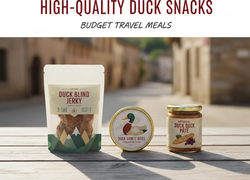
High-Quality Duck Snacks for Budget Travel Meals
High-quality duck snacks offer budget travelers protein-packed, portable gourmet options like dried duck jerky, confit bites, and pâté. These sustainable, flavorful treats enhance hikes, road trips, and picnics with rich taste and long shelf life.
Asaf Bar .

2026 World Cup Street Food Survival Guide: Your Essential Culinary Companion
The 2026 FIFA World Cup across North America offers fans a culinary adventure through diverse street foods. From Chicago's deep-dish pizza and New York's halal offerings to Toronto's peameal bacon sandwich and Mexico City's tacos al pastor, each host city delivers unique flavors. This guide provides essential tips for navigating street food scenes, staying hydrated, budgeting wisely, and embracing local dining customs during the tournament.
Emile Bartow .
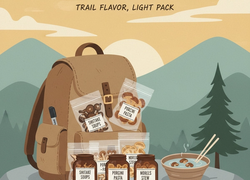
Packing Hacks for Preserved Mushrooms on Backpacking Trips
Discover essential packing hacks for preserved mushrooms on backpacking trips, including choosing dehydrated types, using airtight containers, portion control, and efficient rehydration techniques to enjoy flavorful trail meals without extra weight.
Lilya Odol .
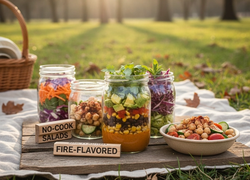
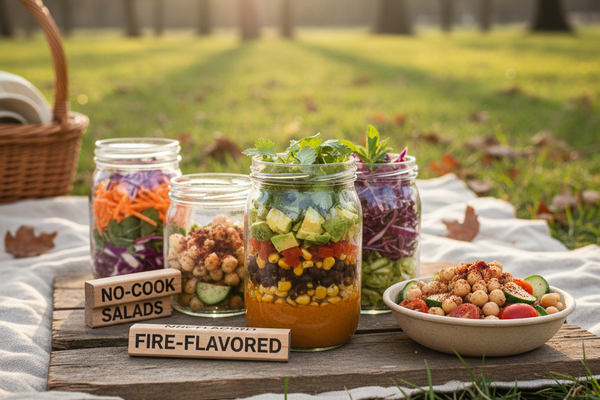
No-Cook Fire-Flavored Salads for Perfect Picnic Recipes
No-cook fire-flavored salads are perfect for summer picnics, featuring simple recipes like No-Chop Chickpea Salad with chickpeas, cucumbers, tomatoes, olive oil, and lemon juice, enhanced by smoky spices like smoked paprika and chipotle for bold flavor without cooking.
Asaf Bar .
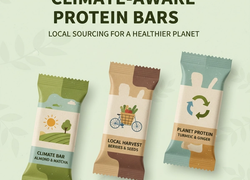
Climate-Aware Protein Bars: Local Sourcing Trends for Sustainable Snacking
As the world grapples with climate change and rising health consciousness, climate-aware protein bars from locally sourced ingredients address sustainability while meeting demand for high-protein, low-sugar snacks. These bars reduce carbon footprints, support local economies, use eco-friendly packaging, and feature innovative flavors, reflecting a shift toward responsible consumption.
Emile Bartow .
Social Media Picks: Must-Try Grilled Foods on the Road
Discover must-try grilled foods for road trips that are Instagram-worthy, from grilled corn on the cob with lime and chili to street-style tacos, skewers, gourmet burgers, charred vegetables, grilled cheese, and regional specialties like Chicago sausages or Texas barbecue.
Emile Bartow .
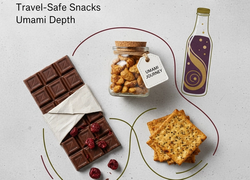
Bittersweet Ferments: Travel-Safe Snacks with Umami Depth
Discover travel-safe snacks infused with bittersweet ferments that deliver complex umami flavors, health benefits from probiotics, and DIY recipes for personalized treats like fermented chocolate and nuts.
Lilya Odol .
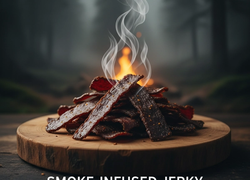
Smoke-Infused Jerky: DIY Recipes for Campers
Craft your own smoke-infused jerky for camping with this DIY guide, featuring a simple marinade recipe using soy sauce, Worcestershire, and spices, smoked at 160°F for 4-6 hours for perfect flavor and texture.
Asaf Bar .