

Smoke-Infused Jerky: DIY Recipes for Campers
By Asaf Bar on February 16, 2026
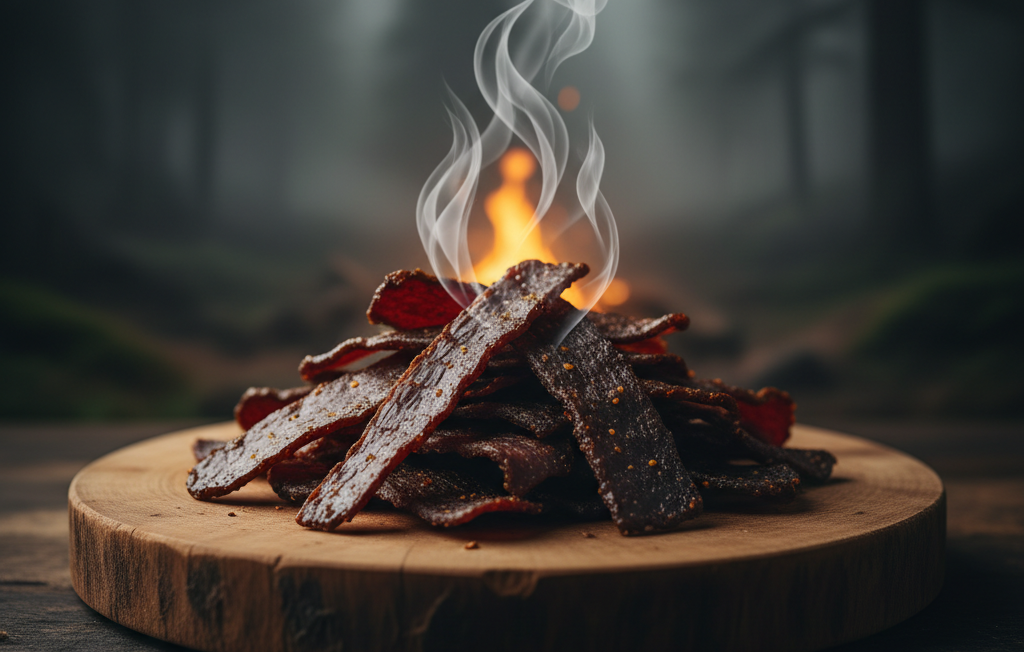
Smoke-Infused Jerky: DIY Recipes for Campers
Imagine sitting around a crackling campfire, the scent of smoke mingling with the fresh forest air. You reach into your backpack and pull out a bag of homemade smoke-infused jerky. It's not just a snack; it's a flavorful experience that elevates your outdoor adventure. Crafting your own jerky is not only satisfying but also allows you to customize flavors that suit your palate perfectly. Here’s how to get started.
Key Takeaways
- Smoke-infused jerky enhances flavors through the smoking process, adding depth and richness.
- Using a vertical smoker or a pellet grill allows for easy temperature control during the smoking process.
- Key ingredients for jerky include lean meats, marinade, and wood chips for smoking.
- The drying process typically takes 4 to 6 hours, depending on thickness and moisture content.
- Different wood types, like hickory or mesquite, impart unique flavors to the jerky.
- Jerky can be stored for weeks, making it perfect for long camping trips.
- Customizing jerky with spices and marinades allows for endless flavor combinations.
Choosing Your Meat and Tools
The foundation of any great jerky is the meat. Lean cuts of beef, turkey, or venison work well. When selecting your meat, look for options like eye of round or flank steak, which have minimal fat content. Fat can lead to spoilage, so choose wisely.
For tools, a vertical smoker or a pellet grill is ideal for beginners and seasoned cooks alike. These devices offer precise temperature control, ensuring your jerky dries evenly. Brands like Camp Chef have excellent options that cater to outdoor cooking enthusiasts.
Crafting the Perfect Marinade
The magic of jerky lies in the marinade. A basic marinade typically includes soy sauce, Worcestershire sauce, and a variety of spices. For a smoky flavor, add liquid smoke or smoked paprika. Here’s a simple recipe to get you started:
Ingredients:
- 1 cup soy sauce
- 1/2 cup Worcestershire sauce
- 2 teaspoons garlic powder
- 2 teaspoons onion powder
- 1 teaspoon black pepper
- 1 teaspoon smoked paprika
Instructions:
- Slice your meat into thin strips, about 1/4 inch thick.
- Combine all ingredients in a bowl and mix well.
- Place the meat in a resealable plastic bag and pour the marinade over it. Seal the bag, ensuring all meat is coated.
- Marinate in the refrigerator for at least 4 hours, preferably overnight.
Smoking Your Jerky
Once marinated, it’s time to smoke your jerky. Preheat your smoker or pellet grill to around 160°F. If you’re using wood chips, soak them in water for about 30 minutes to create a steady stream of smoke without burning too quickly.
Arrange the marinated meat strips in a single layer on the smoker racks. Depending on the thickness of your meat slices, the drying process will take about 4 to 6 hours. Check periodically to ensure the jerky doesn’t over-dry. The goal is a chewy texture without being brittle.
Flavor Variations to Explore
The beauty of DIY jerky is the ability to experiment. Here are a few flavor variations to consider:
- Teriyaki Jerky: Add pineapple juice and brown sugar to your marinade for a sweet twist.
- Spicy Jerky: Incorporate crushed red pepper flakes or hot sauce for a fiery kick.
- Herb-Infused Jerky: Use fresh herbs like rosemary or thyme in your marinade for a fragrant flavor.
Mix and match ingredients to create a jerky that’s distinctly yours.
Storing and Enjoying Your Jerky
Once your jerky is smoked to perfection, let it cool before storing. Keep it in an airtight container or vacuum-sealed bag to preserve its freshness. Properly stored, jerky can last up to a month, making it an ideal companion for your camping trips.
When you’re ready to hit the trail, pack your homemade jerky in your gear. It’s lightweight, nutrient-dense, and will keep your energy levels high during your outdoor adventures.
Conclusion
Crafting smoke-infused jerky is more than just a culinary project; it’s an opportunity to connect with your food and the outdoors. The process may seem intimidating at first, but with a little practice, you’ll be whipping up delicious jerky that can elevate any camping trip. So gather your ingredients, fire up that smoker, and get ready to impress your fellow campers with your homemade snacks. The wilderness awaits, and so does your next flavor adventure.




MORE IN TRENDING
Nostalgic Comfort Packs: Inflation-Beating Travel Eats for Savvy Explorers
As travel demand surges post-pandemic and inflation soars, nostalgic comfort packs offer affordable, heartwarming meals like peanut butter sandwiches and homemade soups, helping travelers save money while evoking childhood memories and family warmth on the road.
Asaf Bar .
TikTok Viral Fire-Cooked Street Foods Around the Globe
TikTok has ignited a global fascination with fire-cooked street foods, from sizzling skewers in Asia to wood-fired pizzas in Italy, showcasing local flavors and cultural traditions through viral videos by influencers like Joe Vadakkedam.
Lilya Odol .
Umami-Boosted Trail Mix for Endurance Travel: Savory Snack Recipe
Elevate your endurance travel snacks with umami-boosted trail mix featuring nuts, seeds, roasted chickpeas, seaweed, nutritional yeast, and dried fruits for sustained energy and savory flavor.
Asaf Bar .
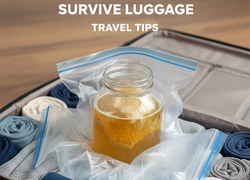
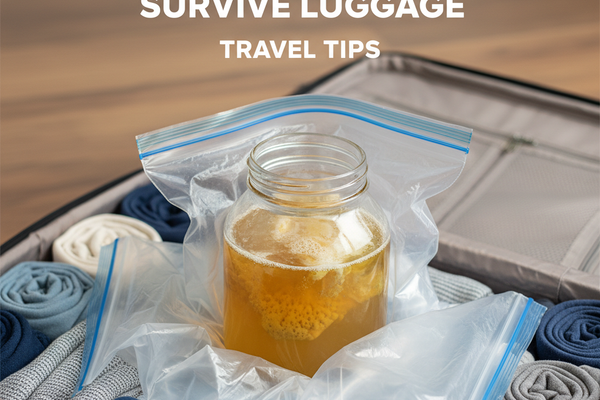
Fermentation Jars That Survive Luggage: Essential Travel Packing Tips
Traveling with homemade ferments like kombucha and kimchi requires careful packing to prevent breakage. Use inflated bags for cushioning, gallon zip-top bags to contain spills, position jars in the suitcase center surrounded by clothes, choose sturdy wide-mouth glass jars, avoid overfilling, and check airline liquid regulations for safe transport.
Emile Bartow .
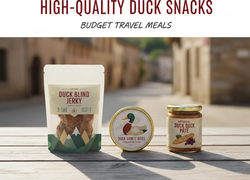
High-Quality Duck Snacks for Budget Travel Meals
High-quality duck snacks offer budget travelers protein-packed, portable gourmet options like dried duck jerky, confit bites, and pâté. These sustainable, flavorful treats enhance hikes, road trips, and picnics with rich taste and long shelf life.
Asaf Bar .

2026 World Cup Street Food Survival Guide: Your Essential Culinary Companion
The 2026 FIFA World Cup across North America offers fans a culinary adventure through diverse street foods. From Chicago's deep-dish pizza and New York's halal offerings to Toronto's peameal bacon sandwich and Mexico City's tacos al pastor, each host city delivers unique flavors. This guide provides essential tips for navigating street food scenes, staying hydrated, budgeting wisely, and embracing local dining customs during the tournament.
Emile Bartow .
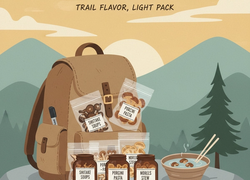
Packing Hacks for Preserved Mushrooms on Backpacking Trips
Discover essential packing hacks for preserved mushrooms on backpacking trips, including choosing dehydrated types, using airtight containers, portion control, and efficient rehydration techniques to enjoy flavorful trail meals without extra weight.
Lilya Odol .
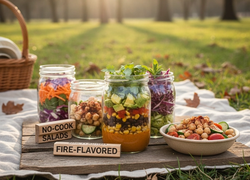
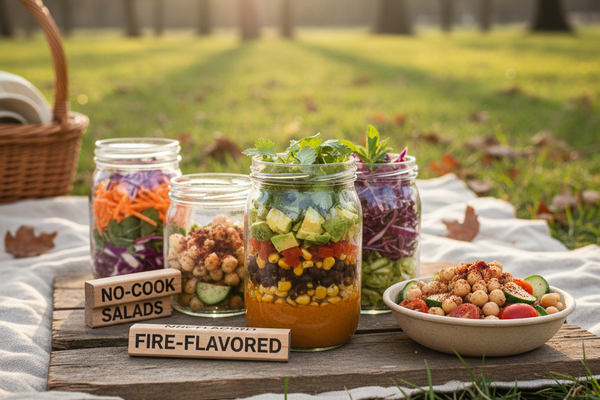
No-Cook Fire-Flavored Salads for Perfect Picnic Recipes
No-cook fire-flavored salads are perfect for summer picnics, featuring simple recipes like No-Chop Chickpea Salad with chickpeas, cucumbers, tomatoes, olive oil, and lemon juice, enhanced by smoky spices like smoked paprika and chipotle for bold flavor without cooking.
Asaf Bar .
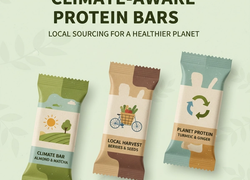
Climate-Aware Protein Bars: Local Sourcing Trends for Sustainable Snacking
As the world grapples with climate change and rising health consciousness, climate-aware protein bars from locally sourced ingredients address sustainability while meeting demand for high-protein, low-sugar snacks. These bars reduce carbon footprints, support local economies, use eco-friendly packaging, and feature innovative flavors, reflecting a shift toward responsible consumption.
Emile Bartow .
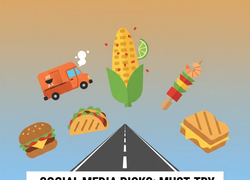
Social Media Picks: Must-Try Grilled Foods on the Road
Discover must-try grilled foods for road trips that are Instagram-worthy, from grilled corn on the cob with lime and chili to street-style tacos, skewers, gourmet burgers, charred vegetables, grilled cheese, and regional specialties like Chicago sausages or Texas barbecue.
Emile Bartow .
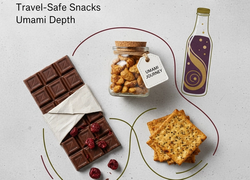
Bittersweet Ferments: Travel-Safe Snacks with Umami Depth
Discover travel-safe snacks infused with bittersweet ferments that deliver complex umami flavors, health benefits from probiotics, and DIY recipes for personalized treats like fermented chocolate and nuts.
Lilya Odol .
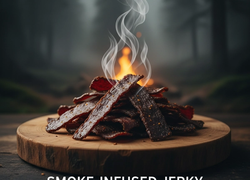
Smoke-Infused Jerky: DIY Recipes for Campers
Craft your own smoke-infused jerky for camping with this DIY guide, featuring a simple marinade recipe using soy sauce, Worcestershire, and spices, smoked at 160°F for 4-6 hours for perfect flavor and texture.
Asaf Bar .